







Search Results for: Operating Procedure
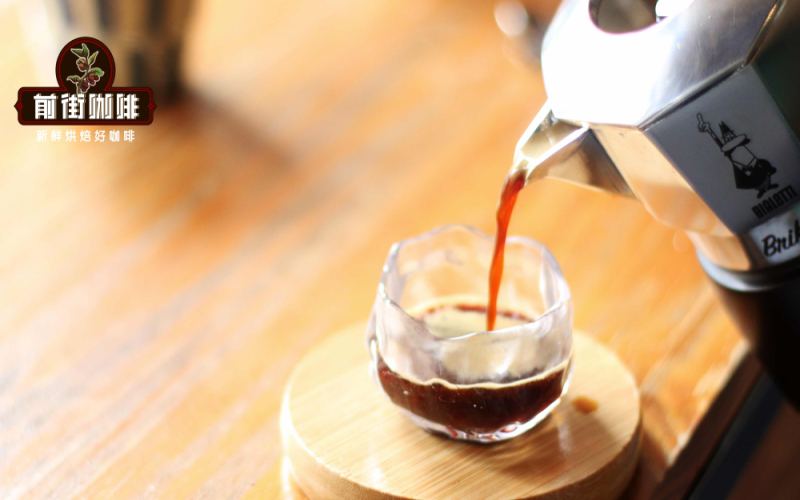
Tips for extracting rich crema with a Bialetti moka pot, plus the operating procedure and recommended coffee beans
Since its invention by Italian Alfanso Bialetti in 1933, the moka pot has become the most widespread strong coffee device in Italian households, thanks to its distillation-style extraction method with a heated base. It relies on the 2–3 atmospheres of pressure generated by boiling water in the lower chamber to push hot water up into the upper chamber and through the coffee grounds, extracting a rich coffee liquid. To brew coffee with crema in a moka pot, both bean selection and operating details are crucial. This article will use the Bialetti moka pot as an example to share the complete brewing steps and recommend several coffee beans suitable for moka pots, including the Front Street Coffee espresso blend series and medium-dark roasted single-origin SOE, helping you easily make a cup of moka pot coffee with a strong aroma and mellow taste at home. [more…]
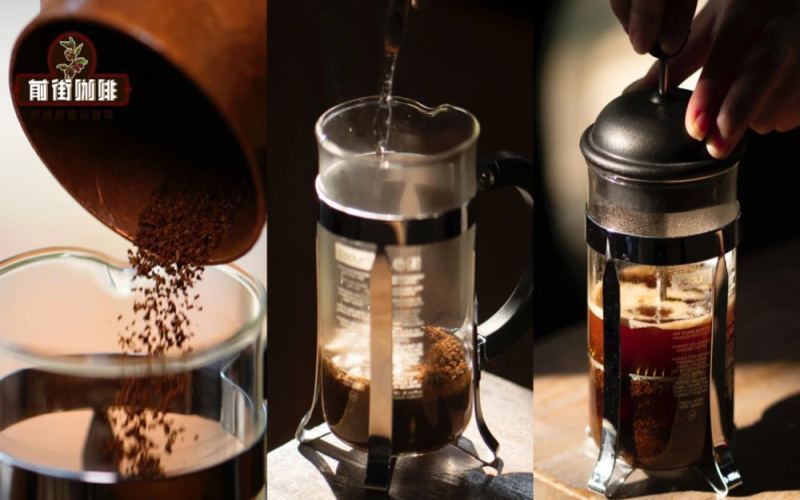
Can French Press Coffee Be Reused for Multiple Brews? A Detailed Explanation of French Press Extraction Principles and Standard Operating Procedure
The French press, with its minimalist operation and extraction results close to cupping, has become the top choice for many coffee enthusiasts starting out. It fully releases coffee oils and aromas while also placing higher demands on bean quality and freshness. This article begins with the origins and structure of the French press, explains why it is better suited to medium-dark roasted coffee, and gradually breaks down the complete French press brewing process—from coffee-to-water ratio, water temperature, and grind size to pouring, stirring, steeping, and pressing—while also answering the question of the oil content in French press coffee. The article also specifically recommends beans suitable for the French press, such as Front Street Strawberry Candy, Front Street Bird of Paradise, and Front Street PWN Golden Mandheling, helping readers easily reproduce a stable and delicious cup of French press coffee. [more…]
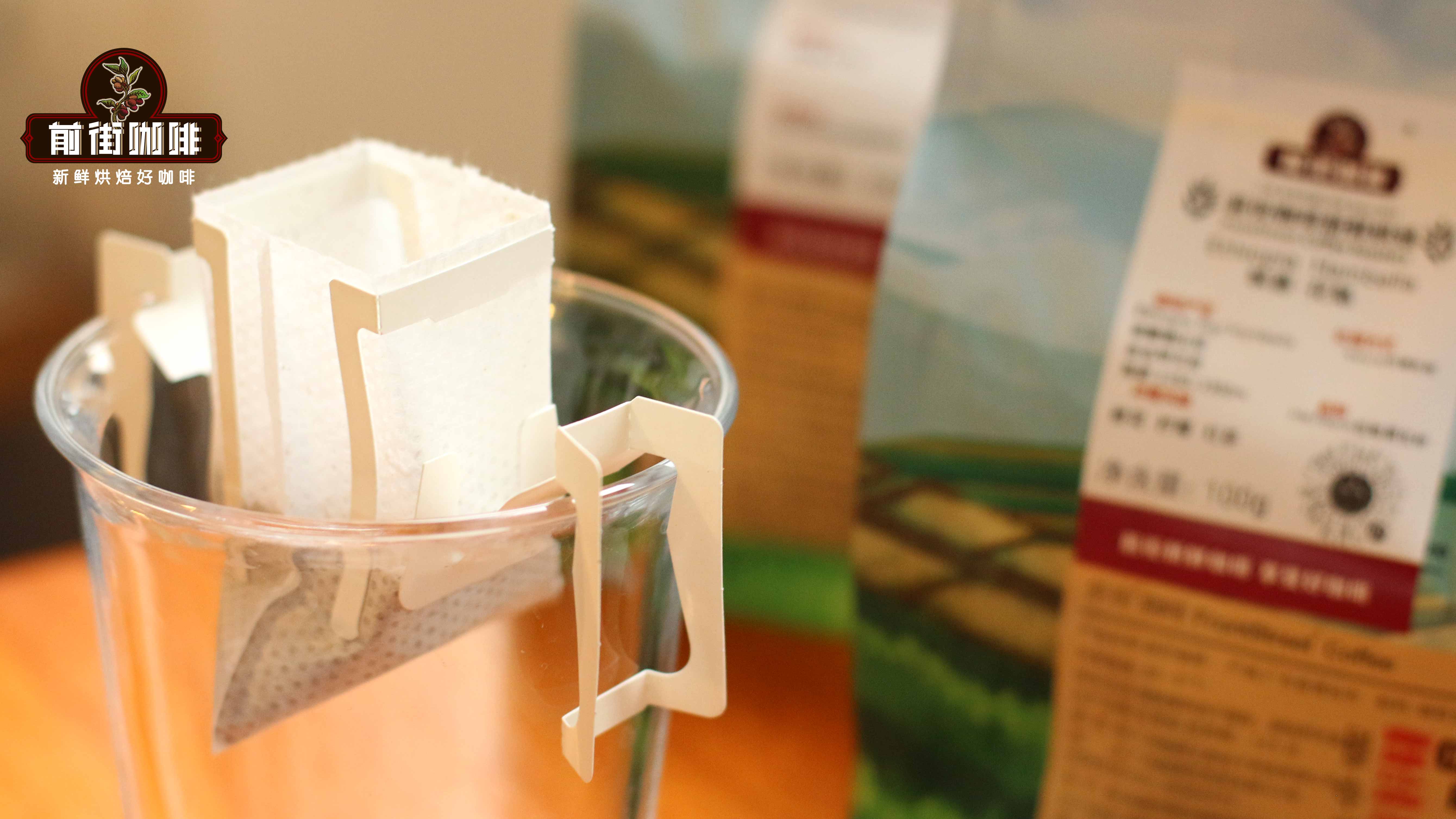
How to brew drip bag coffee so it tastes good? Illustrated standard operating procedure and practical tips analysis
For coffee lovers who frequently travel for business, go on trips, or work in an office, it is not realistic to have a pour-over coffee anytime, so drip bag coffee has become an ideal substitute that balances convenience and flavor. However, although the drip bag looks simple, many people fail to grasp the key points when using it, and some even brew it directly in water like a tea bag, which naturally results in a weak and flavorless cup. This article will start with the origin of drip bag coffee, sort out its similarities and differences with pour-over, and include detailed step-by-step water-pouring illustrations to help you master the correct brewing rhythm. It will also explain the impact of key details such as water temperature and flow rate on extraction, and summarize the flavor characteristics of several popular Front Street Coffee drip bag products for reference when purchasing. [more…]
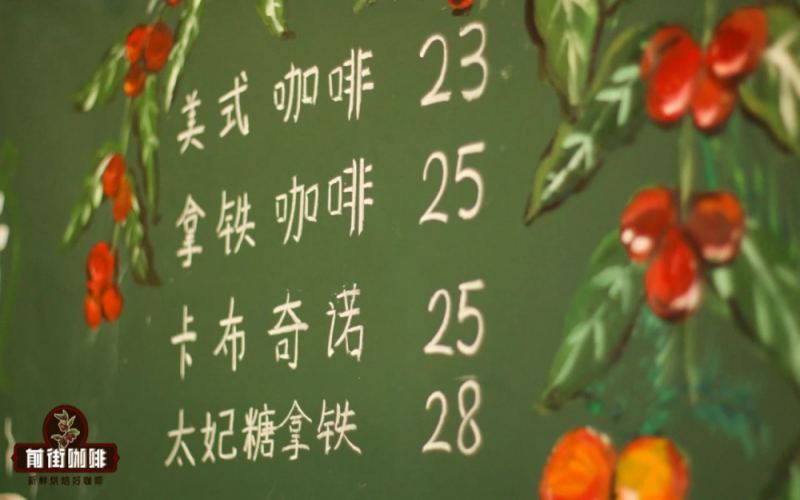
How Is Espresso Different from Americano? A Comprehensive Analysis from Brewing Method to Taste
Many friends who don't often visit coffee shops may see espresso and Americano on the menu and know only that both belong to the category of black coffee, yet can't clearly explain exactly where the difference between the two lies. This article, from the perspective of Front Street, first sorts out the origin of Americano and its two preparation methods, then explains the extraction conditions and flavor standards of authentic Italian espresso, after which it gives Front Street's reference espresso extraction plan, and attaches the detailed operating procedure for Italian coffee, and finally introduces the specific ratios for iced Americano and hot Americano. The article also recommends Front Street's specialty Italian blend coffee beans, suitable for making espresso and Americano. [more…]
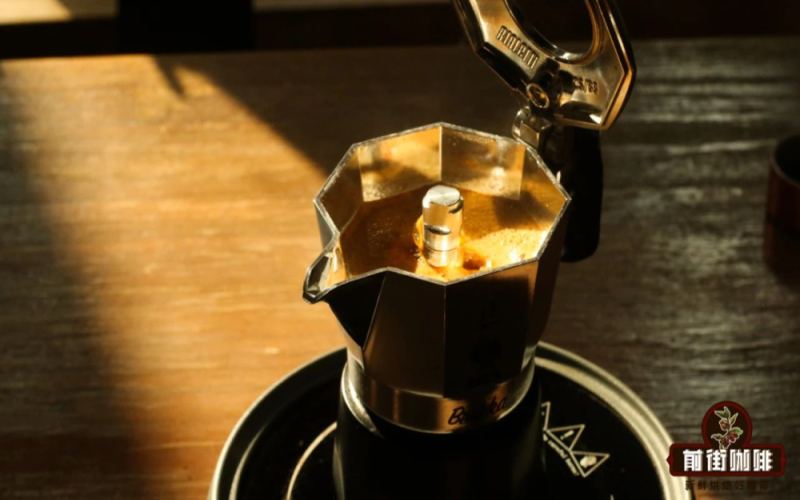
Detailed Guide to Moka Pot Operating Essentials: From Principles to Practice, How to Extract a Rich, Full-Bodied Espresso
To enjoy a cup of espresso with crema at home, the moka pot is the most cost-effective entry-level choice for many enthusiasts. It is affordable and not difficult to operate, but if you want to brew a rich, aromatic coffee with plenty of crema, there are finer points to master—from grind size control and water level to the approach to choosing beans. Drawing on the hands-on experience of Front Street Coffee, this article sorts out the moka pot's construction and standard operating procedure, explains the safety details during brewing, and answers the frequently asked question "What beans are suitable for a moka pot?", helping you reliably recreate at home a mellow flavor close to that of espresso. [more…]

How to Choose a Home Espresso Machine? What Coffee Beans Pair Best with De'Longhi, Philips, and Gemilai
Thinking of adding an espresso machine to your home but not sure where to start? The market is crowded with brands—De'Longhi, Philips, and Gemilai each have their fans—and prices range from two or three hundred to two thousand yuan. Buying the machine is only the first step; what really determines the flavor in your cup is the coffee bean pairing. This article sorts out the mainstream home espresso machine models and their positioning, includes buying tips and a complete operating procedure, and offers specific advice for the bean-selection dilemma beginners face most often, helping you avoid detours and consistently produce a decent espresso at home. [more…]
Espresso vs. Americano: Analyzing the Differences — Italian Standard Ratios, Preparation Process, and Flavor Characteristics
Walking into a coffee shop, the espresso and Americano on the menu often leave people puzzled: both belong to the category of black coffee, so what exactly is the difference? This article, from the perspective of Front Street, sorts out the origins of Americano and its two brewing methods, explains in detail the standard extraction parameters, essential conditions, and flavor performance of espresso, and shares recommendations for Front Street's specialty espresso blend coffee beans. At the same time, using a normal operating process as an example, it breaks down the steps of making espresso one by one, including handling the portafilter basket, weighing the grounds, distributing the grounds, tamping, and extraction, and finally gives the specific mixing ratios for iced Americano and hot Americano, helping coffee enthusiasts fully understand the differences between these two classic coffees and the key points of making them. [more…]
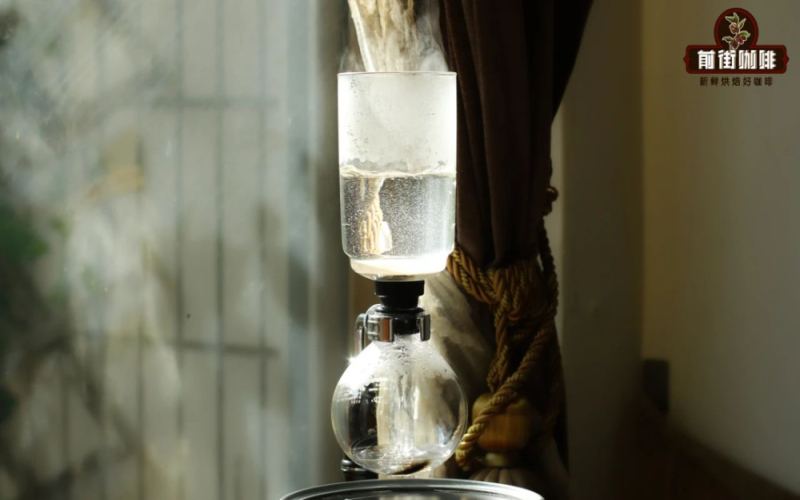
An Analysis of the Causes of Bland Siphon Coffee and a Detailed Guide to Practical Brewing Techniques
The siphon pot is no longer commonly seen in mainstream coffee shops, but its unique extraction method still attracts a group of loyal enthusiasts. When many people try to brew coffee with a siphon pot, they find that the resulting cup tastes weak and lacks complexity. The reasons behind this often involve multiple factors such as the timing of adding coffee grounds, grind size, coffee-to-water ratio, stirring technique, and the choice of heat source. Drawing on Front Street's hands-on experience, this article systematically sorts through the siphon pot's structural principles, differences in filter materials, characteristics of heat sources, the controversy over the order of adding grounds, grinding parameters, coffee-to-water ratio, and stirring methods, and includes a complete operating procedure to help readers consistently make a rich, full-bodied cup of siphon coffee at home. [more…]
ATAGO Refractometer Operation Guide: How to Convert TDS Readings to Golden Cup Extraction Yield
Front Street Coffee received a question from an enthusiast who wants to know how to get started with coffee concentration measuring instruments like ATAGO. This article will demonstrate the operating procedure of the instrument step by step, explain the meaning of the two readings, Brix and TDS, and show how to use the measured TDS value to calculate the coffee's extraction yield. The article will also introduce the two core standards of the Golden Cup theory—extraction yield of 18%–22% and concentration of 1.2%–1.45%—as well as the flavor characteristics brought by under-extraction and over-extraction, helping you more accurately judge whether a cup of coffee falls within the ideal range in your daily brewing. [more…]
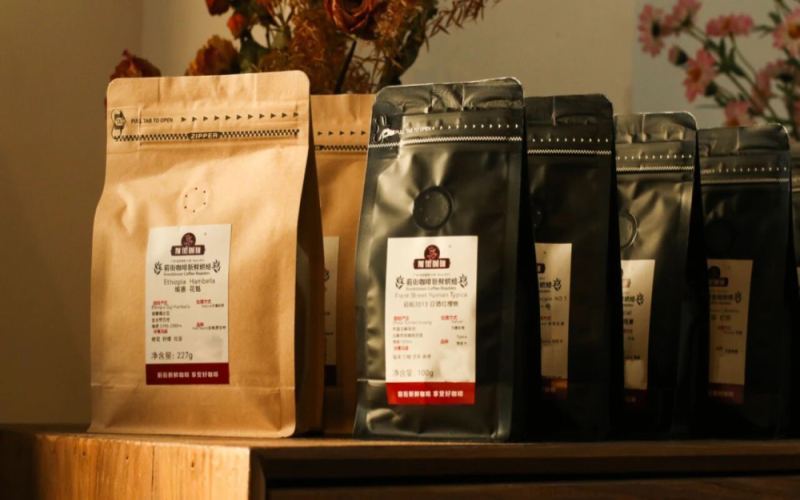
Analysis of the Flavor Characteristics, Suitable Bean Selection, and Standard Operating Steps for Brewing Coffee with a Moka Pot
For most households, purchasing a professional espresso machine is a hurdle in terms of both budget and space, making the moka pot a common alternative that balances convenience and flavor. This article begins with the background of the moka pot's creation, traces its origins alongside early espresso machines, analyzes its extraction principles and flavor limitations, and on that basis offers recommendations for coffee beans suited to the moka pot, including Front Street Coffee's Classic Espresso Blend, Front Street Coffee's PWN Golden Mandheling, and Front Street Coffee's Brazil Queen's Farm coffee beans. Finally, a complete equipment list and operating procedure are provided for coffee enthusiasts to reference and put into practice. [more…]
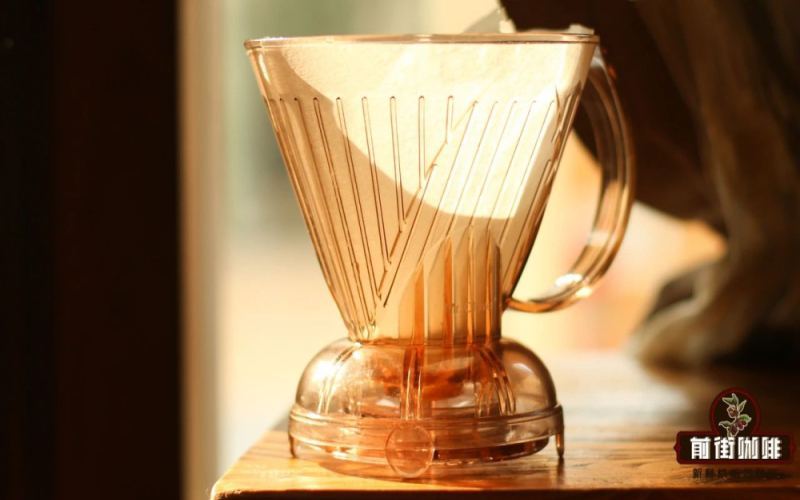
A Detailed Guide to the Immersion Brewing Time and Steps for the Clever Dripper, Plus a Discussion of Its Key Differences from Standard Pour-Over Cones
The Clever Cup, with its unique piston valve design, combines both immersion and filtration functions in coffee extraction, making it a practical tool for many coffee enthusiasts. This article provides a detailed breakdown of the complete operating procedure for the Clever Cup, including key parameters such as water temperature control, blooming time, and the rhythm of staged pouring, and compares its structural and usage logic differences with conventional drippers. Whether you are a beginner just getting to know the Clever Cup or a seasoned brewer looking to optimize your extraction approach, you will find clear, followable step-by-step references here. The article also incorporates practical advice from Front Street Coffee to help you more consistently reproduce a cup of well-balanced coffee. [more…]
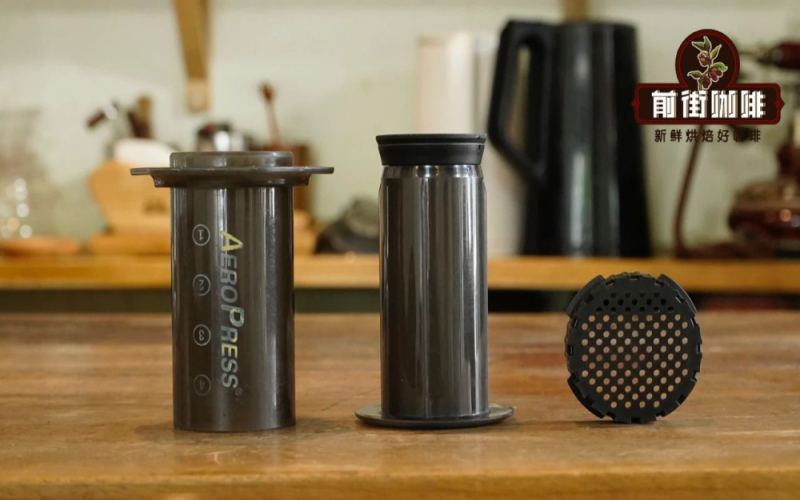
The Complete AeroPress Guide: From Principles to Practice, Master This Portable Brewing Sensation Taking the Coffee World by Storm
In recent years, a coffee brewing tool that looks strikingly like a syringe has rapidly gained popularity among coffee enthusiasts. It is easy to operate yet produces a full-flavored cup of coffee—this is the AeroPress. Front Street has noticed that many friends who are new to manual coffee are full of curiosity about this device, yet are not quite clear about its origins and specific usage. This article will systematically introduce the background of the AeroPress's origins, the standard operating procedure, and provide detailed brewing parameter references, including key information such as coffee dose, grind size, coffee-to-water ratio, and water temperature, to help everyone quickly get started with this coffee tool that is both fun and practical. [more…]
Beginner's Guide to Pour-Over Coffee: Seven Classic Brewing Methods Explained with Tasting Tips
The charm of coffee lies not only in its flavor, but also in the focus and sense of ritual during the brewing process. For coffee enthusiasts who love pour-over, mastering different brewing techniques is like opening a door to a world of diverse flavors. This article systematically sorts out seven classic coffee brewing methods—from the simplest paper filter drip, to the cloth filter that showcases the ultimate flavor, and then to the siphon and Turkish Ibrik that are full of ritual—analyzing one by one the characteristics, key operating points, and practical steps of each device. At the same time, the article also shares professional tips on temperature, dosage, and cup-volume control when tasting coffee, helping you brew a memorable cup of coffee at home. Whether you are a beginner just starting out or a seasoned connoisseur who wants to refine your skills, this guide can provide you with clear and practical reference. [more…]

Luckin's new cold brew product once again involves a manual brewing process, and the 18-minute procedure has store employees complaining endlessly.
Luckin Coffee is about to launch a new product, "Big Watermelon Raw Coconut Cold Brew," across its stores nationwide on April 7. However, even before this product officially goes on sale, it has already triggered widespread complaints among staff. The reason is that its coffee liquid needs to be manually steeped for as long as 18 minutes, and the production process is cumbersome with many quality-control details, putting even more pressure on already busy frontline employees. What troubles them even more is that a single packet of coffee powder can produce only 4.5 cups of the finished product, yet stores are not allowed to stop selling it. Once orders surge, they can only negotiate with customers to wait. This article compiles frontline employees' genuine feedback and operational details, presenting the "worker's dilemma" behind this new product. [more…]
How to brew Costa Rican light roast coffee beans? Detailed pour-over steps and parameters
Costa Rican coffee enjoys a high international reputation, and the high-quality beans produced there are known as "strictly hard beans," capable of growing at altitudes above 1,500 meters. The reason high altitude has a positive impact on coffee quality is twofold: on one hand, it enhances the bean's acidity and enriches its flavor layers; on the other hand, the low nighttime temperatures slow the trees' growth rate, allowing the coffee beans to accumulate a richer taste. In addition, the abundant rainfall brought by the high-altitude terrain also provides good growing conditions for the coffee trees. Below, taking the light-roast Front Street Coffee Costa Rican coffee beans as an example, we will explain in detail the equipment preparation and operating procedure for pour-over brewing. [more…]
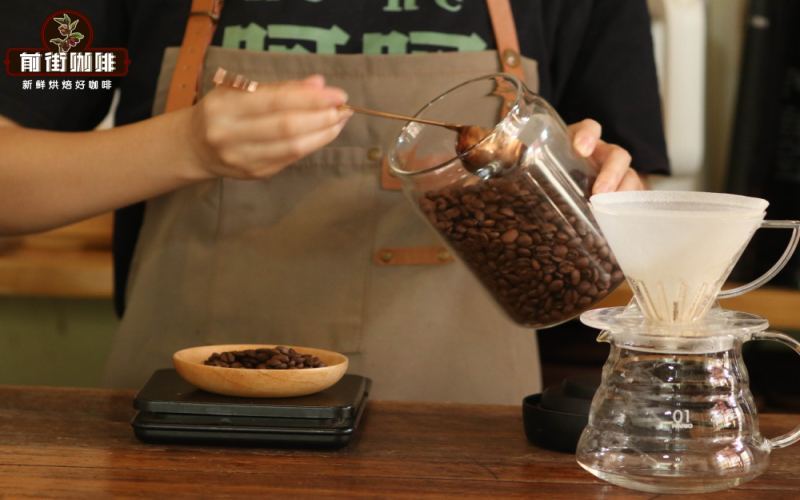
What coffee beans are suitable for a drip coffee maker? CoffeeHunters bean recommendations and a full guide to using a home pour-over kettle
Want coffee that's close to pour-over quality but find the process too troublesome? The American drip coffee maker is actually an underrated choice. This article starts with the working principle of the American drip coffee machine, explains why it has long carried the misunderstanding of "tasting bad," and offers the correct approach to using it: choose freshly roasted beans, and control the coffee-to-water ratio and grind size. It also compiles four coffee beans worth trying from Front Street Coffee—Panama Butterfly, Yirgacheffe Red Cherry, Costa Rica Mozart, and Geisha Blend Strawberry Candy—and finally includes the complete operating procedure for a home American coffee machine, helping you easily brew a pot of balanced drip coffee. [more…]
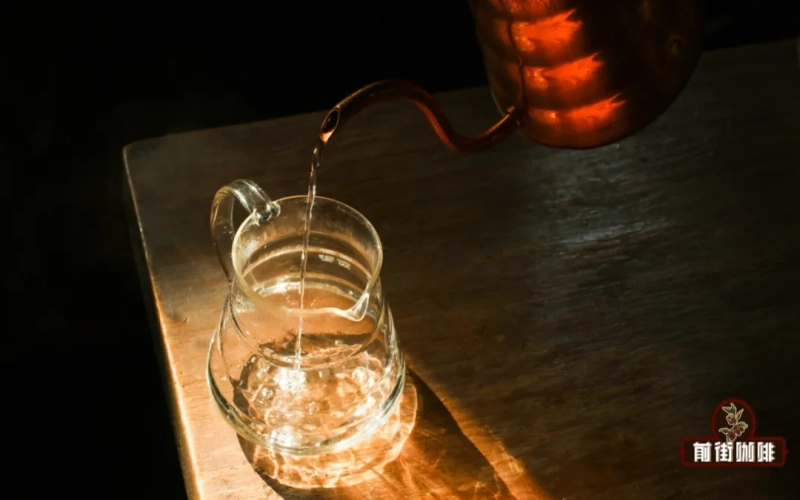
Can repeatedly boiled water still be used for pour-over coffee? Testing TDS changes and extraction flavor differences
When brewing coffee, most people focus on whether the water's TDS is in the appropriate range, but few pay attention to whether repeatedly boiling the hot water affects the coffee's flavor. Some believe that coffee brewed with water that has been boiled multiple times will decline in quality. To verify this claim, Front Street Coffee designed a controlled experiment, using a TDS test pen and a coffee concentration meter, brewing a medium-light roasted Sidamo Hachira 8.0 by immersion in a clever cup, using water boiled for the first through fourth times respectively, and recording the TDS value of the water and the coffee concentration performance each time. This article will present the experimental setup, operating procedure, and data results one by one, to help coffee enthusiasts determine whether repeatedly boiled water is truly unsuitable for brewing coffee. [more…]

The Two Major Schools of Americano: Drip Brewing and Espresso Diluted with Water, A Full Analysis of Iced Americano Coffee-to-Water Ratios
How many ways are there to make an Americano? And what is its connection to drip machines and espresso? This article will trace the history of the Americano, break down the differences between the two brewing paths—drip and espresso diluted with water—and take a deep dive into Front Street Coffee's approach to water-to-coffee ratios for hot and iced Americanos. At the same time, we'll systematically go over espresso extraction standards, including key parameters such as dose, yield, and time, and include Front Street's complete in-store workflow and recommended recipes. Whether you prefer a rich, full-bodied cup or a light, refreshing one, you'll find the Americano that suits you in this article. [more…]
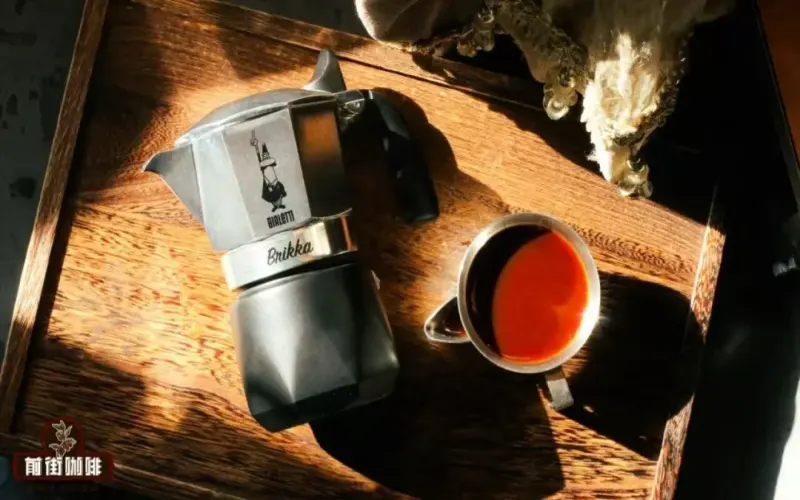
Moka Pot Brewing Principles and Operation Guide: How Beginners Can Choose the Right Coffee Beans
Since its introduction in 1933, the moka pot has become a convenient tool for many households to make espresso-style coffee, thanks to its simple steam pressure principle. The coffee it extracts is rich, balanced in acidity and bitterness, and carries a small amount of crema. This article will analyze in detail the working mechanism and standard operating procedure of the moka pot, and offer practical advice for beginners, from adding water and distributing the grounds to controlling the heat. At the same time, we have compiled a range of coffee bean recommendations suitable for the moka pot, including Front Street Dark Cocoa Blend, Classic Blend, Strawberry Candy Espresso Blend, and Commercial Blend, to help you easily make a cup of flavorful coffee close to espresso at home. [more…]
How to Determine the Grind Size for a Moka Pot? A Full Analysis of Single-Valve vs. Double-Valve Pressure Differences, Pros and Cons
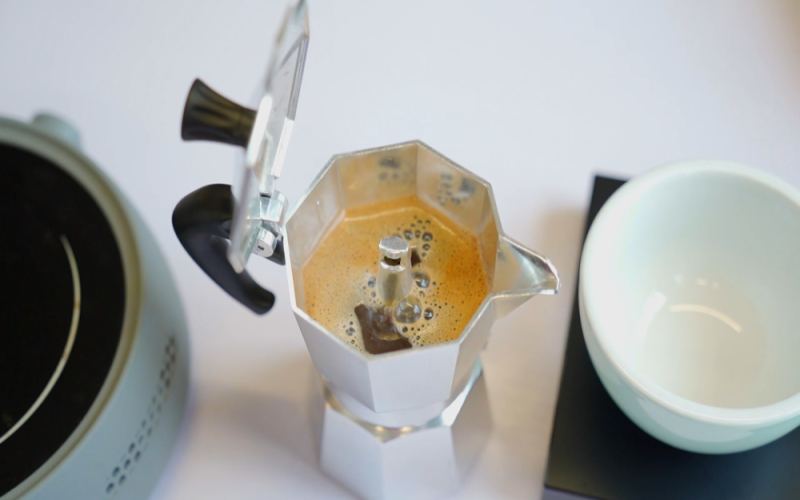
As a classic choice among home coffee equipment, the moka pot's single-valve and double-valve differences directly affect the resulting concentration and crema performance. This article starts with the structural principles, analyzes the extraction pressure differences between the two valve types, and outlines the pros and cons of the moka pot, the suitable coffee grind size range, and recommendations for coffee bean roast level. It also includes a complete operating procedure, covering dose control, heating techniques, and daily maintenance points. The article also introduces the recipe ideas and flavor characteristics of Front Street Coffee's two espresso blends, helping enthusiasts make clearer judgments when purchasing and practicing. [more…]